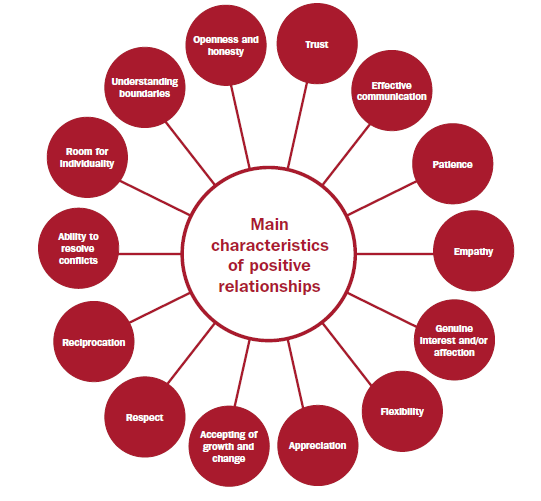
Characteristics of a Postive Relationship
Trust is the foundation of any strong relationship. It’s about believing that your partner has your best interests at heart and knowing that they’ll be there for you no matter what. Trust is built over time through honesty, reliability, and consistency. For example, from the husband’s perspective, trust might look like him knowing his wife will be honest about her feelings, even if it’s difficult to talk about. From the wife’s perspective, trust could mean feeling confident that her husband will keep his promises, like showing up when he says he will or following through on commitments.
Respect is about valuing your partner as an equal and treating them with consideration. It means acknowledging each other’s differences and embracing them. For the husband, respect could mean appreciating his wife’s opinion and listening to her decisions without dismissing them. For the wife, it might look like respecting her husband’s space and needs, giving him room to pursue his interests, and supporting him in his goals.
Good communication is key to understanding one another and preventing misunderstandings. It’s about both listening and speaking openly. The husband might feel that good communication in their marriage is making sure they talk things through, whether it’s about how their day went or discussing deeper feelings. For the wife, communication might mean feeling heard and understood when she shares something important, whether it’s a small worry or a big dream.
Support in marriage is about being there for each other, especially when times are tough. It’s not just about offering help, but also being emotionally present. For the husband, support could look like helping his wife with household chores when she’s overwhelmed or offering words of encouragement during a tough work week. For the wife, support might be offering reassurance and showing empathy when her husband faces stress or challenges in his life.
Setting boundaries is about knowing what you’re comfortable with and respecting each other’s limits. In a marriage, boundaries help ensure both partners feel safe and respected. The husband might set boundaries around needing time alone to recharge, and the wife respects that by giving him space when he asks. The wife might set a boundary about needing privacy when she’s dealing with personal issues, and the husband respects that by offering her time and space to work through it.
Openness and self-disclosure mean being willing to share personal thoughts, fears, and dreams with your partner. It’s about being vulnerable and honest. For the husband, openness might look like sharing his fears about his career or future with his wife and trusting she’ll understand. For the wife, it could mean expressing her emotions or insecurities to her husband, knowing he’ll listen without judgment and offer support.
Love and affection are the emotional glue that holds a marriage together. It’s about showing care, warmth, and appreciation regularly. For the husband, love might be shown through small gestures like giving his wife a hug after a long day or leaving sweet notes for her to find. For the wife, love could look like telling her husband how much he means to her or planning a surprise dinner to show him she cares.
Give-and-take is about compromise and balance. It’s understanding that both partners need to contribute and be flexible. For the husband, give-and-take might mean agreeing to take on a task he doesn’t enjoy because his wife needs help. For the wife, it could be adjusting her plans to make sure her husband has time to relax or attend to something important.
Kindness is simply treating each other with warmth and consideration, even in stressful times. It’s about being gentle and thoughtful. For the husband, kindness could mean being patient with his wife when she’s had a rough day, offering her a listening ear. For the wife, kindness might be found in the way she makes her husband’s favorite meal or gives him a compliment when he’s feeling down.
Commitment in marriage means being dedicated to one another, through both the good times and the challenges. It’s about sticking together and working through any difficulties. For the husband, commitment might be showing up and doing his part in the relationship, even when life gets busy. For the wife, commitment could be prioritizing her marriage and working together with her husband to build a future.
Intimacy isn’t just about physical closeness but emotional closeness as well. It’s about feeling connected and open with each other. For the husband, intimacy might be feeling comfortable enough to share his dreams and fears with his wife, knowing she’s a safe space. For the wife, intimacy might be feeling close to her husband through shared experiences, like taking a walk together or talking about their hopes for the future.
Friendship in marriage is about having a strong bond that goes beyond romantic love. It’s about enjoying each other’s company, sharing laughs, and supporting one another like friends would. For the husband, friendship might mean having a playful conversation with his wife about silly things, enjoying each other’s sense of humor, or doing fun activities together. For the wife, friendship could look like having deep talks with her husband about life, sharing inside jokes, and enjoying each other’s company, whether it’s at home or out with friends.
Connection is that deep emotional bond that makes both partners feel understood and in sync with one another. It’s about being in tune with each other’s thoughts and feelings. The husband might feel connected when he can express his fears or challenges to his wife, and she gets exactly where he’s coming from. The wife might feel connected when her husband truly listens to her, understanding her without needing to explain every detail.
Flexibility is about being open to change and adapting to each other’s needs as they evolve over time. It’s important in a marriage because life constantly shifts, and both partners need to be able to roll with it. For the husband, flexibility could mean adjusting his routine to help with the kids when his wife has a busy week. For the wife, it might mean being willing to change plans when her husband needs her support during a stressful time at work.
Empathy means understanding and feeling what your partner is going through, even if you haven’t experienced it yourself. It’s about being there emotionally and showing compassion. For the husband, empathy might look like offering comfort and understanding when his wife is stressed about a family matter, letting her know he cares without trying to fix everything. For the wife, empathy could mean acknowledging how tough things are for her husband when he’s feeling overwhelmed and offering him a listening ear and emotional support.
Thoughtfulness is when you put your partner’s needs and feelings first and do things to show them you care. It’s about being mindful of their happiness and comfort. For the husband, thoughtfulness could be as simple as bringing his wife a cup of coffee in the morning because he knows she loves it. For the wife, it might be planning a special surprise for her husband to make him feel appreciated, like arranging a quiet evening just for the two of them after a busy week.
Affection is about showing physical and emotional warmth, like hugs, kisses, and little gestures that make your partner feel loved. It’s the physical touch that reinforces emotional bonds. For the husband, affection might look like giving his wife a gentle touch on the arm or holding hands while watching TV, just to let her know she’s loved. For the wife, affection could mean giving her husband a hug after he gets home or a quick kiss on the cheek before heading out, showing him she’s thinking of him.
Validated means feeling heard, respected, and understood, especially when it comes to your emotions or experiences. In a marriage, validation helps both partners feel valued and supported. For the husband, validation might mean hearing his wife acknowledge his efforts and the hard work he’s putting into their relationship or family, making him feel appreciated. For the wife, validation could come from her husband acknowledging her emotions and reassuring her that her feelings are valid, even when they don’t always agree.
Signs of poor relationship health include:
- Attempts to control your behavior
- Avoiding one another
- Being afraid to share your opinions or thoughts
- Being pressured to quit the things you enjoy
- Criticism of what you do, who you spend time with, how you dress, etc.
- Feeling pressured to change who you are
- Feeling that spending time together is an obligation
- Lack of fairness when settling conflicts
- Lack of privacy or pressure to share every detail of your life
- Neglecting your own needs to put your partner first
- Poor communication
- Unequal control over shared resources such as money and transportation
- Yelling